Online vs Offline Training: Which Is Better for Skill Development?

Skill development has become more important than ever. Whether you are a student, working professional, or career switcher, choosing the right mode of learning plays a crucial role in how effectively you gain practical skills.
One of the most common questions learners ask is: Online vs Offline Training — which is better for skill development?
Both learning formats offer unique advantages, but the right choice depends on your goals, learning style, and career ambitions. In this blog, we’ll explore the differences, benefits, challenges, and the best approach to help you make an informed decision.
Online vs Offline Training — Quick Answer
Online training provides flexibility and remote learning convenience, while offline training offers hands-on practice and direct interaction with trainers. The best option for skill development is often hybrid learning, combining both approaches.
Why Skill-Based Training Matters Today
Industries today prioritize practical skills over theoretical knowledge. Employers increasingly value candidates who can apply concepts in real-world scenarios rather than relying only on academic qualifications. This shift explains why learners are moving toward career-oriented courses that focus on hands-on learning and job readiness.

If you want to understand how skill-focused education is shaping modern careers, read our detailed guide on Career-Oriented Courses in India. Students who have recently completed graduation can also explore how to Choose the Right Skill-Based Course After College to align with industry demand.
What Is Online Training?
Online training allows students to learn remotely through virtual classrooms, recorded sessions, and interactive learning platforms. Many learners today prefer online programs because they offer flexibility without compromising learning quality.

At Aditra Training Institute, online learning programs are designed to deliver industry-standard training across domains such as digital marketing, programming, data science, and artificial intelligence.
Advantages of Online Training
Flexibility & Convenience
Learners can attend sessions from anywhere while balancing academics or work commitments.
Self-Paced Learning
Recorded sessions help learners revise complex topics anytime.
Access to Industry-Relevant Courses
Online learners can build in-demand skills through programs like the Digital Marketing Course in Chennai, develop coding expertise with the Python Training Course, or enter the analytics field through the Data Science Course in Chennai.
Cost Efficiency
Reduced travel and accommodation expenses make learning more accessible.
Challenges of Online Training
- Requires strong self-discipline
- Less face-to-face interaction
- Limited peer networking opportunities
What Is Offline (Classroom) Training?
Offline training refers to structured, in-person classroom sessions conducted at a professional training institute. Classroom learning creates a focused environment where students gain practical exposure through guided instruction.

Learners who prefer direct mentorship often choose an IT Training Institute in Chennai, where trainers provide immediate feedback and personalized support.
Advantages of Offline Training
Direct Trainer Interaction
Students can clarify doubts instantly and receive personalized mentoring.
Hands-On Practical Learning
Programs such as Full Stack Development Training, Machine Learning Training, and the Artificial Intelligence Course in Chennai involve real-time project work that benefits greatly from classroom learning.
Structured Learning Environment
A dedicated learning atmosphere improves concentration and consistency.
Peer Collaboration & Networking
Students collaborate with classmates, improving teamwork and communication skills.
Challenges of Offline Training
- Fixed schedules
- Commute requirements
- Less flexibility for working professionals
Online vs Offline Training: Key Comparison
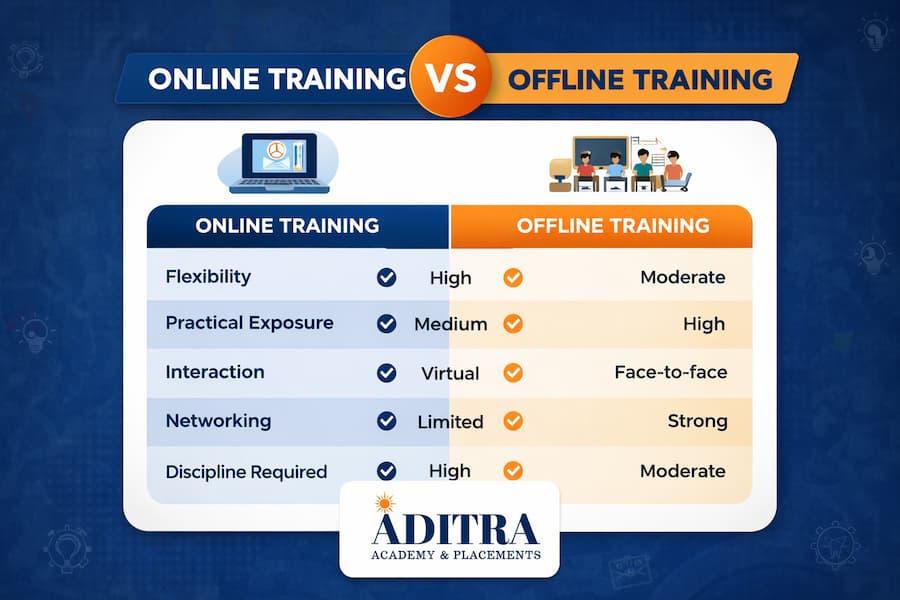
| Feature | Online Training | Offline Training |
|---|---|---|
| Flexibility | High | Moderate |
| Practical Exposure | Medium | High |
| Interaction | Virtual | Face-to-face |
| Networking | Limited | Strong |
| Discipline Required | High | Moderate |
| Best For | Working professionals | Students & beginners |
Which Mode Works Best for Different Skill Domains?
Technical & IT Skills
Highly technical programs often require guided practice and mentor supervision. Courses like Java Training in Chennai, Automation Training, and Big Data Hadoop Training are more effective when learners combine theory with classroom-based implementation.
Data Analytics & Business Intelligence Skills
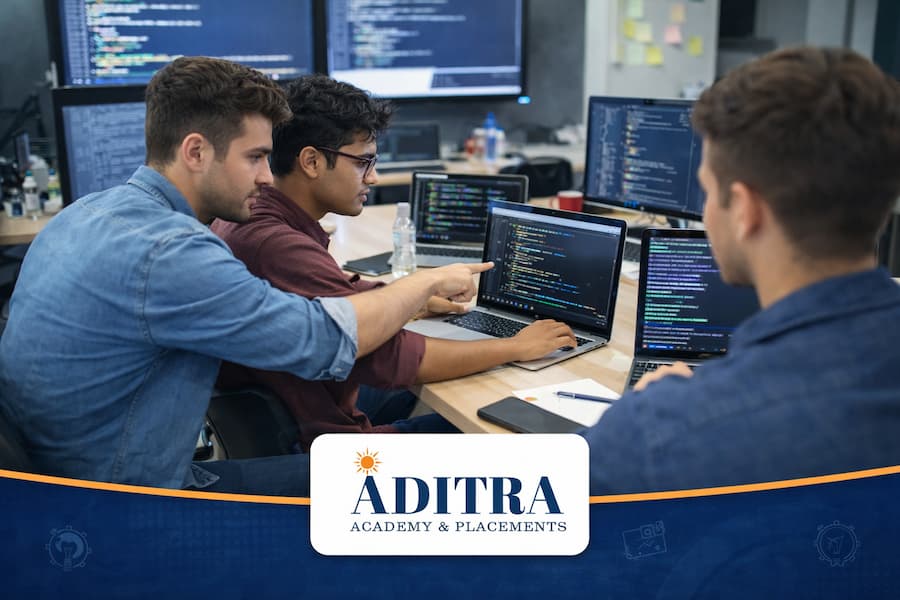
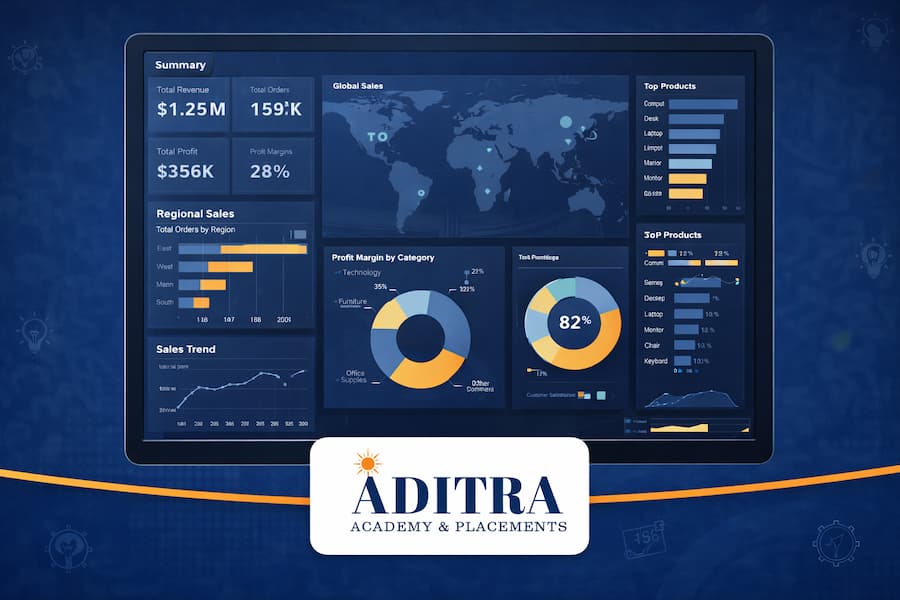
Analytics training involves tools, dashboards, and real datasets. Learners pursuing the Data Analytics Training Program often enhance their skills further with specialized tools like Power BI Courses, Tableau Fundamentals Training, and Advanced Excel Training. A hybrid learning approach works best for these programs.
Digital Marketing & Creative Skills
Creative and marketing-based skills adapt well to online environments because projects can be executed digitally. Learners can specialize through the AI-Based Digital Marketing Course, enhance branding expertise via Content Marketing Training, or build user experience knowledge through the UI/UX Design Course. Those interested in online business growth can also explore the E-Commerce Training Program.
For deeper career insights, read our article explaining the Digital Marketing Course Eligibility, Syllabus, and Career Scope in India.
The Rise of Hybrid Learning: The Best of Both Worlds
Modern education is increasingly moving toward hybrid learning — a blend of online flexibility and offline practical exposure.
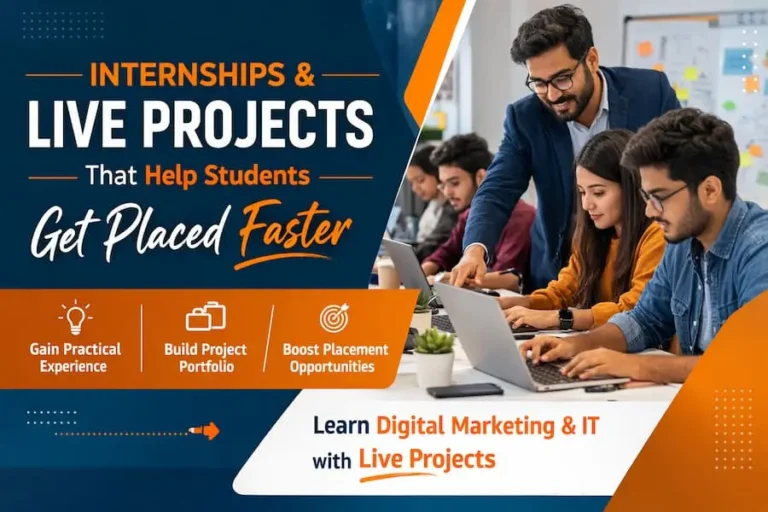
Students gain theoretical understanding online while applying knowledge through live projects and internships. If you want hands-on exposure, explore our Internship and Live Project Training Programs, designed to bridge the gap between learning and employment.
How to Choose the Right Training Mode
Before selecting a learning format, ask yourself:
- Do I need flexible learning hours? → Online training
- Do I learn better through practical sessions? → Offline training
- Am I preparing for a career transition? → Hybrid learning
- Do I need career guidance and job assistance? → Structured classroom programs with placement support
Learners aiming for job readiness should consider programs offering Placement Support and Career Assistance to improve employability outcomes.
Why Choose Aditra for Skill Development?
Aditra provides industry-aligned programs through its [Professional IT Training in Chennai], covering emerging technologies and digital skills required by modern employers.
You can explore the complete learning portfolio through the Courses, which includes specialized programs under Digital Skills Training designed for future-ready careers.
For additional career guidance, you may also find these resources useful:
- Practical Training vs Degree in 2026
- Full Stack Development Career Guide
- Best Short-Term Courses with High Salary – Part 1
- Best Short-Term Courses with High Salary – Part 2
Online or Offline Training?
There is no single learning mode that fits everyone.
- Online Training works best for flexibility and convenience.
- Offline Training excels in practical exposure and mentorship.
- Hybrid Learning delivers the strongest career outcomes by combining both approaches.
The future belongs to learners who continuously upgrade their skills through structured, industry-relevant training.
Start Your Skill Development Journey Today
Ready to upgrade your skills and build a successful career? Explore programs offered by Aditra Training Institute and take the first step toward professional growth.
Your career transformation begins with the right skills — and the right learning approach.
FAQ Section
Is online training better than offline training?
Online training offers flexibility, while offline training provides hands-on experience and direct mentorship. A hybrid approach often delivers the best results.
Which training method is best for skill development?
Skill development improves faster with practical learning environments combined with real-world projects and trainer guidance.
Do employers prefer online or classroom training?
Employers value skills and practical experience more than learning mode, especially when supported by live projects and placement training.
What is hybrid learning?
Hybrid learning combines online theoretical sessions with offline practical training for better career readiness.



One Comment